You want a store that pays the bills. I do too — and I built and scaled stores that hit seven figures by treating niche selection like a science, not a guess.
India’s e-commerce market is projected to hit $200 billion by 2026, and that creates real opportunity for you to launch from home. I tested dozens of products, ran many product testing phases, and tracked CPA and margins so you don’t have to repeat my early mistakes.
Most beginners fail because they jump into crowded markets. I learned the hard way: the winners are the niches others ignore. I’ll show you how to spot those gaps, vet suppliers, and price products so perceived value covers ad cost and leaves profit.
I’ll mentor you through seven profitable dropshipping niches I actually validated. You’ll get product ideas, supplier checks, and realistic profit margin expectations so you can run a low-budget smoke test fast.
Key Takeaways
- Find low-competition niches where you can hit profit margins after ad spend.
- Use India’s growing market to test products with focused audiences.
- Avoid easy traps: don’t buy inventory before a product testing phase.
- Sell products that solve real problems for your customers to reduce returns.
- Choose suppliers who pass quality checks and meet shipping expectations.
- Run ads with a CPA target and double down on winners quickly.
Why Most Beginners Pick the Wrong Dropshipping Niches
I learned the hard way: I blew time and ad budget because I picked niches by hype, not data.
Picking the right niche starts with honest research. Many entrepreneurs skip that step and chase shiny product ideas instead.
Understanding the Mistakes
Here’s what I see over and over — people copy trending products without checking demand or competition.
Trends on social media can spike fast and die faster. That leaves you with low long-term demand and a high CPA to acquire customers.
So you need to check demand properly. Look for sustained search volume, steady Google Trends interest, and a CPC that supports paid traffic.
Profitable niches usually have a focused audience, manageable competition, and room for decent profit margins after ad costs.
Common Mistakes Beginners Make
Beginners trip over the same issues:
- Choosing a niche that’s too broad or flooded with competition.
- Skipping audience research — you must know who the customer is and why they buy.
- Ignoring supplier reliability — product quality and shipping times kill conversions.
Do this now: pick one product idea, order a sample, and run a 5–7 day smoke test with $100–$300. Watch CPA and conversion rate before you scale.
What Separates Profitable Dropshipping Niches from Money Pits
Not every niche makes money. I tested plenty and learned which signals matter and which are noise.
Demand is the first thing I look at. I want steady search interest, not a one-week spike. Google Trends and Amazon Best Sellers tell me if people keep searching and buying a product over months.
Competition is next. A little shows a market exists. Too much means higher customer acquisition cost and thinner profit after ads.
Use tools like SEMrush or Ahrefs to check search volume and competitor ads. I also watch CPC — if businesses already pay high CPC, that tells me customers will convert but my ad spend needs to be tight.
Here are the traits I require before I test a product:
- Clear demand over 6–12 months, not a flash trend.
- Manageable competition so I can win with better positioning or lower CPA.
- Products that let me hit target profit margins after ad spend — think >20% net where possible.
- Reliable suppliers who meet quality and shipping promises.
- A defined customer profile so marketing isn’t shotgun.
Small, practical signals I use day one: monthly search volume above a threshold for the market I’m testing, CPC that makes sense for my target CPA, and low return rates reported by competitors.
If a niche checks these boxes, I call it a Dropshipping Niches candidate and move to a quick MVP test phase: order samples, list one product, run a 5–7 day ad test, and watch CPA and conversion closely.
| CharacteristicsImportance | |
| High Demand | High |
| Low Competition | Medium |
| High Margins | High |
| Reliable Suppliers | High |
How I Discovered These 7 Hidden Opportunities
I found these seven niches by following a repeatable process. I treated niche selection like an experiment: test small, learn fast, then scale what works.
I start with market research. I scan Google Trends and Amazon Best Sellers for steady interest, not one-week spikes. That gives me a longlist of product ideas to test.
Next I dig into the audience. I read reviews, monitor social channels, and run quick surveys to spot frustrations customers mention again and again.
| StepActionTools/Resources Used | ||
| 1 | Market research — find steady demand | Google Trends, Amazon Best Sellers |
| 2 | Audience checks — confirm real pain points | Social media, customer reviews |
| 3 | Niche validation — keyword + competitor audit | Google Keyword Planner, SEMrush |
| 4 | Supplier and profit checks | Supplier price lists, sample orders |
| 5 | MVP test — run a low-budget ad smoke test | Facebook/TikTok ads, $150–$300 test budget |
I usually order 3–5 samples before any launch. Then I list one product and run a 5–7 day ad test. I watch CPA, conversion rate, and refunds closely.
If the CPA lets me hit my profit target after ad spend — usually aiming for >20% net profit — I scale. If not, I tweak the offer or move on.
Do this week one: pick three product ideas from Google Trends, order one sample each, and schedule a 7-day ad smoke test for the best-looking item.
Niche 1: Eco-Friendly Pet Products for Urban Pet Parents
I started testing eco-friendly pet products after noticing repeat demand from city pet owners. They want products that are safe for their pets and easier on the environment.
This is one of the Dropshipping Niches I validated with real product tests. The demand is steady because buyers see perceived value — they’ll pay a bit more for something that protects their pet and the planet.

Realistic Profit Margins You Can Expect
These products can work after ad spend if you price them right. Expect typical net profit targets in the 15%–25% range after marketing and shipping, depending on the item.
Typical margins I see in practice:
- Eco-friendly pet toys: 15%–20% net after ads
- Sustainable grooming supplies: 18%–25% net
- Biodegradable waste bags: 12%–18% net
Supplier Challenges I’ve Faced
Supplier quality varies. I always order samples and check certificates — a “green” claim isn’t enough. Ask for material specs and any certifications before you list a product.
Common supplier issues to watch for:
- False eco claims or missing certificates
- High minimum order quantities for custom packaging
- Long shipping times that kill early reviews
Marketing Angles That Actually Work
I sell these to urban pet owners by leaning on perceived value. I show why the product is safer, how it saves money over time, and use real customer photos to build trust.
Practical marketing playbook I use:
- Lead with benefits: explain health and环保 (eco) wins in the first 3 seconds of an ad.
- Use testimonials and unboxing videos to lower CPA and increase conversions.
- Work with pet micro-influencers and community groups to drive trusted traffic.
Quick MVP plan: pick one product idea, order 3–5 samples, set a $150–$300 7-day ad test, and watch CPA, conversion rate, and returns. If CPA fits your target and customers love it, scale the product and lock in 2–3 reliable suppliers.
Niche 2: Smart Home Accessories for Indian Renters
I tested smart home kits aimed at renters and found a clear opening: people want easy, affordable upgrades that don’t need tools or rewiring.
Indian renters value products that are plug-and-play, compact, and priced right. If you position the product as a simple comfort or energy saver, customers respond.
Profit Margins to Expect
Margins vary by product and shipping, but realistic net targets after ad spend sit around 12%–18% for many accessories. Higher-ticket items can push 20%+ if CPA stays low.
| Product CategoryAverage Cost PriceAverage Selling PriceProfit Margin | |||
| Smart Lighting | $10 | $12 | 20% |
| Smart Speakers | $25 | $30 | 20% |
| Smart Thermostats | $50 | $60 | 20% |
Challenges with Suppliers
Supplier quality and shipping are the biggest risks. I always order samples and check firmware updates and warranty terms before listing a product.
Watch for long lead times and poor after-sales support — those kill reviews and add refund costs.
Effective Marketing Strategies
I run short video demos showing how fast the product installs and the immediate benefit (better lighting, less wasted power). That lowers CPA and raises perceived value.
Ballpark CPA targets I aim for in India: ₹150–₹800 per acquisition depending on price point and channel. If your conversion rate is 1% at that CPA, the math needs to hold for your target profit.
Local marketplace checks: compare delivery times and prices on regional platforms before you pick suppliers. If competitors promise 2–3 day delivery and you promise 12–15 days, expect conversion friction.
Product testing phase: order 3–5 samples, run a 7–14 day Facebook/TikTok test with ₹10,000–₹25,000 budget (or equivalent) to measure CPA and conversion. If CPA fits your target and customers like the product, lock in 2 reliable suppliers and scale.
Niche 3: Ergonomic Products for Remote Workers
I started selling ergonomic gear after a simple test: a standing desk converter and a lumbar support gave steady sales and repeat customers. That taught me this niche converts when the product solves real pain.
Remote workers buy for comfort and productivity. Items like standing desks, back supports, and ergonomic mice sell because customers see clear value and will pay a premium when CPA stays reasonable.
Profit Margins You Can Expect
Margins depend on price point and ad cost. In my tests I aim for net profit above 20% after ad spend and returns.
| ProductAverage CostSelling PriceProfit Margin | |||
| Standing Desks | $100 | $150 | 33% |
| Ergonomic Mice | $20 | $30 | 33% |
| Back Supports | $15 | $25 | 40% |
Supplier Challenges I’ve Faced
Reliable suppliers are non-negotiable. I always order samples and test build quality, packaging, and shipping speed before listing a product.
Do this: request product photos, ask about return rates, and confirm warranty terms. If a supplier stalls on these, move on.
- Ask for at least one production sample before any ad spend.
- Check lead times — long shipping kills early reviews and increases refunds.
- Keep two backup suppliers for each high-ticket product.
Practical thresholds I watch: return rate under 5% and shipping under 14 days for most markets. If those slip, the math on profit disappears fast.
Marketing Angles That Actually Work
I sell ergonomics by showing benefits: less back pain, better posture, more focused work. Short demo videos and before/after testimonials move the needle.
- Use video demos that show setup and real use in under 30 seconds.
- Share customer reviews and photos to build trust and lower CPA.
- Run targeted search and social ads focusing on pain keywords and work-from-home audiences.
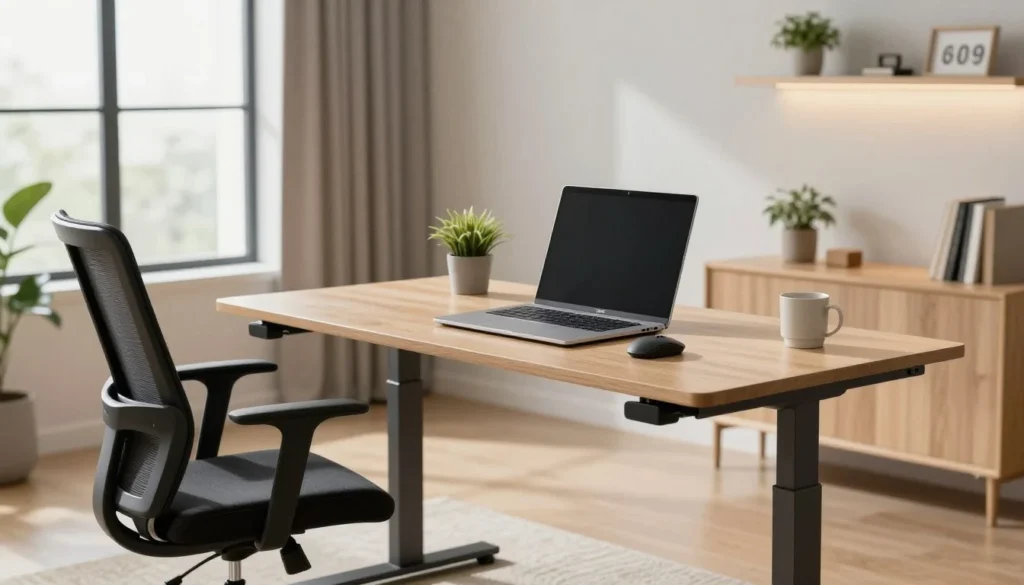
Testing plan I use: order 3 samples, list one hero product, and run a 7–14 day ad test with a $150–$400 budget. Watch CPA, conversion, and refund rate. If CPA hits target and customers keep buying, scale and add complementary products.
Niche 4: Minimalist Travel Gear for Weekend Travelers
I launched a weekend-pack MVP to test this niche and got useful signals fast. Weekend travelers want fewer, smarter items — not bulk gear — and that makes positioning simpler.
This is one of the practical Dropshipping Niches where perceived value matters. If your product looks premium and solves a small pain (organization, theft-proof pockets, weight), customers convert at a decent rate.
Profit Margins to Expect
Margins depend on shipping and ad cost, but realistic net targets sit around 12%–18% for small accessories and 15%–20% for backpacks if CPA stays low.
- Minimalist backpacks: 15%–20% net after ads
- Packing cubes: 12%–18% net
- Travel wallets: 10%–15% net
Challenges with Suppliers
Supplier vetting is key. I order samples, check stitching and materials, and confirm packaging options before listing any product.
My supplier checklist:
- Request physical samples and photos of production run.
- Confirm MOQ, lead times, and return policies.
- Ask for any material certifications or tests if claiming eco or water-resistant features.
Effective Marketing Strategies
I position products around convenience and style. Short demo videos showing a 48-hour packing routine perform well and lower CPA.
Targeting and CPA notes I use: aim for a CPA that keeps you profitable — often lower for impulse accessories (watch for CPAs under your margin-per-item) and a bit higher for backpacks if average order value (AOV) rises.
Product testing phase I follow: pick 3 product ideas, order 3–5 samples, run a 7–10 day ad test with a small budget, and measure CPA and AOV. If the numbers work, lock in 2 reliable suppliers and start bundling complementary accessories to increase AOV.
Niche 5: Board Game and Card Game Accessories
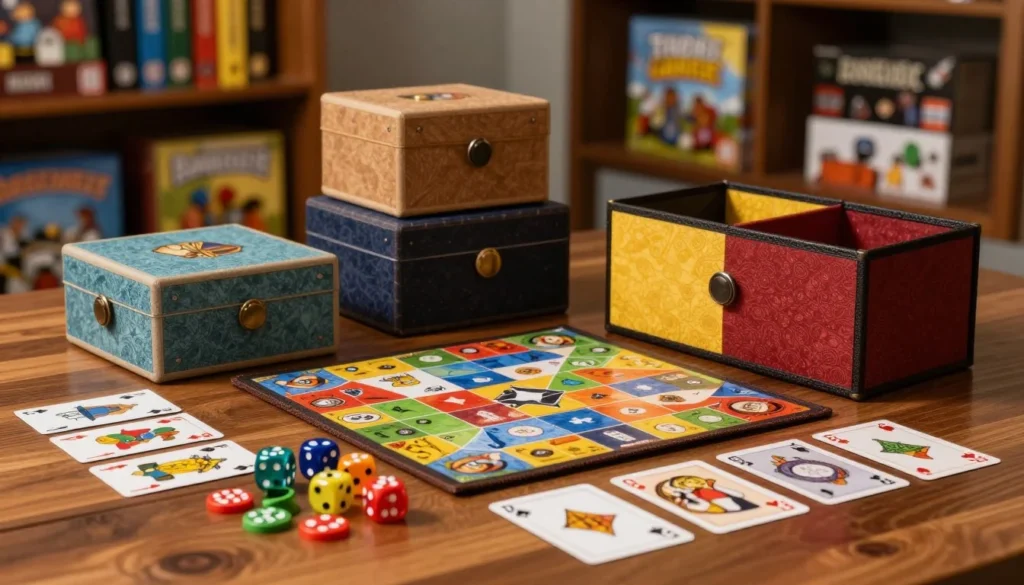
I launched a small run of custom card sleeves to test this niche and got clear signals: hobbyists buy quality and they pay for customization.
Board game and card game customers are obsessive about quality and convenience. That focus makes the niche easy to target and profitable if you nail product quality.
Realistic Profit Margins You Can Expect
Custom and premium accessories can return healthy margins, but you must account for customization costs and platform fees. In my runs I target roughly 18%–22% net after ads and fees.
Top products that convert well:
- Customized game boxes and storage solutions
- High-quality card sleeves and protectors
- Personalized player boards and scorepads
Supplier Challenges I’ve Faced
Customization brings hurdles. I always ask suppliers for minimum order quantities, lead times, and pre-production photos before I commit.
- Expect MOQs on custom runs — plan pricing so you break even on the first batch.
- Confirm lead times; long customization delays push CPA up and slow reviews.
- Negotiate samples and proof approvals to avoid surprises on quality.
My MVP approach: prototype a small batch, list one hero item, and run targeted tests in communities like Reddit and BoardGameGeek. If I hit my CPA and sales, I expand SKUs.
Marketing Angles That Actually Work
Community-driven channels win here. I run content that shows product quality, customization steps, and real play sessions to build trust.
- Use niche forums, Discord groups, and BoardGameGeek for low-CPA traffic.
- Share teardown videos and quality close-ups as content to reduce purchase anxiety.
- Partner with content creators and streamers who demo your accessories live.
Do this test: order 30–50 sample pieces, set a modest $150–$300 ad test targeting hobby groups, and measure CPA, conversion, and reorder intent. If hobbyists reorder, you’ve found a solid niche product.
Niche 6: Daily Living Aids for Elderly Comfort
I started testing daily living aids after a caregiver asked for simple solutions she could recommend to seniors. The demand surprised me — people buy when the product clearly improves comfort or independence.
These products cover mobility aids, comfort care items, and small assistive devices. They help seniors stay safe at home, and caregivers often drive the purchase decision.
Profit Margins You Can Expect
Margins are realistic but vary by product and regulation. In my runs I target 15%–20% net after ad spend for most items, with some comfort-care products reaching 18% or more.
- Mobility aids: walkers and canes — ~15%–20% net
- Comfort care: orthopedic cushions and pillows — ~18% net
- Assistive devices: grab bars, non-slip mats — ~15%–17% net
Supplier Challenges I’ve Faced
Supplier vetting matters more here than in many niches. I always order samples and check build quality, materials, and packaging before testing ads.
Watch for these red flags:
- Missing product safety certificates or unclear materials.
- Long shipping times that delay first reviews and increase refunds.
- Poor after-sales support or no warranty terms.
Testing playbook for higher-risk items: request compliance documents, order at least 3 samples, run usability checks with real users, and confirm return terms with the supplier before selling.
Regulatory Note
Some assistive devices may require certification or comply with local medical-device rules. I always check market rules first — selling a regulated item without paperwork is a quick way to lose money and credibility.
Marketing Angles That Actually Work
I market these products by focusing on clear benefits: safety, comfort, and easier daily routines. That lowers purchase hesitancy and improves conversion.
- Show real use-cases and caregiver testimonials to build trust.
- Target caregivers and adult children with ads that stress safety and reduced caregiving time.
- Partner with local caregiving groups and health professionals for referrals.
CPA guidance I use: expect higher CPA for caregiver audiences but better lifetime value if the product genuinely helps. Start with a conservative 7–14 day ad test, watch CPA and returns, then scale only if return rate stays low and customers reorder or refer.
Niche 7: Sustainable Fashion Accessories for Conscious Consumers
I tested recycled jewelry and eco-friendly bags because I wanted a niche that paired style with a clear story. Turns out conscious consumers will pay more when the product and story line up.
This niche is one of the profitable dropshipping ideas I still return to. If your product proves its environmental claims and looks good, customers convert and come back for related pieces.
Profit Margins to Expect
Margins depend on sourcing and ad cost. In my runs I aim for roughly 18%–25% net after ad spend, with jewelry on the higher end when the perceived value is strong.
- Recycled jewelry: ~20%–25% net
- Eco-friendly clothing: ~22%–28% net (on higher-ticket items)
- Sustainable accessories: ~18%–22% net
Challenges with Suppliers
Supplier claims need verification. I never list a product without proof — ask for documents and samples before you market anything.
My three-step supplier checklist:
- Request material proof and certificates of authenticity (COA).
- Order samples and inspect build quality and packaging.
- Confirm production lead time, MOQ, and return/warranty terms.
Watch for long lead times and vague eco claims. Those eat margin and hurt customer trust.

Effective Marketing Strategies
I sell sustainable accessories by leading with the product story and proof. Short videos that show materials and the hands that made them work better than vague sustainability claims.
- Use customer testimonials and UGC to prove quality and trust.
- Work with eco-influencers and niche bloggers to reach the right consumers.
- Bundle items to raise AOV and justify slightly higher CPAs.
MVP plan I use: order 3–5 samples, run a soft launch with influencer UGC and a $150–$300 ad test, then check CPA, conversion, and reorder intent. If perceived value holds and customers reorder, scale and lock in reliable suppliers and better packaging to protect margins.
My Step-by-Step Process to Validate Any Niche
I run niche validation like a quick experiment. Short list, test one product, measure CPA, repeat.
Week one I find ideas. I pull 8–12 product ideas from Google Trends and Amazon Best Sellers and cut that to three candidates.
Next I run lightweight research on each candidate. I check search volume, competitor ads, and social chatter to see if demand is steady.
Here’s the checklist I follow every time:
- Find 8–12 product ideas with Google Trends and category searches.
- Shortlist 3 products based on steady demand and low-ish competition.
- Do quick keyword and competitor checks with Ahrefs or SEMrush.
- Vet suppliers: order samples, confirm MOQ, lead time, and warranty.
- Run an MVP test: list one product, spend $150–$300 on ads for 5–7 days, watch CPA and conversion.
My validation thresholds are simple: CPA must allow at least a 15%–20% net profit after ad spend, and return rate should stay under ~5% during the MVP.
Supplier checks I never skip: physical sample, production photo, and clear shipping terms. If a supplier can’t provide those, I move on.
Short test plan to run this week: pick three product ideas, order one sample each, and schedule a 7-day ad smoke test for the most promising item.
5 Mistakes That Destroyed My First Niche Attempts
I wrecked my first stores with a few dumb, expensive mistakes. I want you to skip them.
Mistake 1 — I launched without validating the niche. I loved the product, not the data. Fix: run a 7-day ad smoke test with $150–$300 and watch CPA and conversion before you list more products.
Mistake 2 — I overestimated demand. I trusted a single tool and it lied to me. Fix: cross-check search volume, Google Trends, and social signals before you scale.
Mistake 3 — I used one supplier only. When they ran out, I had stockouts and angry customers. Fix: always onboard at least two suppliers and keep a reorder plan.

Mistake 4 — I underpriced to win on traffic. That killed profit margins. Fix: price for perceived value, account for ad spend and returns, and aim for at least 15%–20% net after ads.
Mistake 5 — I didn’t monitor ad performance closely. I left campaigns running that burned cash. Fix: check ads daily, pause underperformers, and focus budget on creatives that hit CPA targets.
Those mistakes taught me to respect research, suppliers, and tight marketing discipline. Do the homework, test small, and protect your margins — that’s how you turn a dropshipping niche into real profit.
Essential Tools I Use for Niche Research Daily
I spend 10–20 minutes a day on niche research. Small, consistent checks keep me ahead and stop me chasing dead trends.
Essential Tools for Niche Research
These are the tools I use and exactly how I use them to find product ideas and validate demand.
Toolset for Daily Niche Research
- Google Trends — check 12‑month persistence and spot steady upward movement, not single-week spikes.
- Amazon Best Sellers — watch bestseller velocity and reviews to see if a product keeps selling.
- Ahrefs/SEMrush — quick keyword check for search volume and CPC so I know if paid traffic makes sense.
- Facebook Audience Insights — estimate audience size and interests to plan targeting before I run ads.
- SaleHoo / AliExpress — supplier quick-checks: sample availability, MOQ, and shipping times.
- Jungle Scout — use for deeper Amazon product data when I need marketplace validation.
How I record findings: one row per product idea in a simple spreadsheet — search volume, trend score, CPC, supplier lead time, sample cost, and a target CPA. That one-sheet tells me which products deserve a quick MVP test.
Daily routine I recommend: 1) scan Google Trends and Amazon for 5 minutes, 2) run a short keyword check for 5–10 minutes, 3) note promising product ideas and supplier flags. Do this three times a week and you’ll build a steady pipeline of product ideas.
Quick rule I follow: if search interest holds for 6–12 months and CPC supports a target CPA that leaves me ~15%–20% net profit after ads, I move to samples and a 5–7 day ad smoke test.
Your First 30 Days: From Niche Selection to First Sale
I’ll walk you through a tight 30-day plan I use to go from idea to first sale. Follow each weekly goal and keep tests small.
Week 1 — Choose and research. Pull 8–12 product ideas from Google Trends and shortlist 3. Check search volume, competitor ads, and perceived value quickly.
Week 2 — Samples and store. Order 3–5 samples, pick one hero product, and set up a simple Shopify store. Use clear product photos and a short benefit-led description.
Week 3 — Run a smoke test. Spend $150–$300 on ads for 5–7 days. Track CPA, conversion rate, and refunds. If CPA lets you hit at least 15%–20% net profit after ads, keep testing.
Week 4 — Optimize and convert. Double down on winning creatives, tighten targeting, and add one complementary product to lift average order value.
Quick performance targets I use: aim for a conversion rate of 1%+ on cold traffic and a CPA that fits your margin-per-item. If your CPA is too high, pause, change the offer, or test new creatives.
Marketing checklist: launch short demo videos, use testimonial UGC, and test both Instagram and Facebook. Target the audience using interest and search signals you found in week one.
Final step: if the MVP converts, lock in 2 suppliers, improve packaging, and scale ad spend in controlled increments. If not, iterate or move to the next product idea.
Do this now: pick one product from your shortlist and schedule a 7-day ad smoke test this week.
How I Scaled from One Niche to Multiple Income Streams
I grew my business by treating each niche like a repeatable experiment. Win one product, document the playbook, then copy the process into the next niche.
I only scale when a product shows consistent ROI for at least 14–30 days. That keeps me from pouring ad money into temporary winners.
Here’s the checklist I follow to expand safely:
- Maintain a reliable supplier list — add a second supplier when weekly volume exceeds stock safety thresholds.
- Automate order flows and customer messages so the store runs without firefighting.
- Raise average order value with bundles and relevant upsells before increasing ad spend.
- Standardize creatives and targeting that worked in the first niche, then tweak for the new audience.
Concrete triggers I use: double down when ROAS > target for 14 days, and keep return rate under 5%. If CPA drifts up, pause and rework the offer.
Customer retention matters. I push post-purchase flows and simple discounts to turn first buyers into repeat customers — that improves profitability fast.
Once the process is documented, I launch the next niche with the same product-testing phases: samples, MVP listing, 7–14 day ad test, then scale if the numbers hold. Repeat that loop and you turn one winning dropshipping niche into several steady income streams.
📌 Scale Your Store: Finding a profitable dropshipping niche is only half the battle; you also need cheap, high-converting traffic. Learn how to drive targeted buyers to your new store without spending a fortune on social media ads using our guide on 7 Secret Native Ads Platforms for Profitable Traffic.
💡 Data Pro-Tip: Never guess what is going to sell. Always run your niche ideas through Google Trends to ensure the product has consistent, year-round demand rather than just being a temporary fad.
Conclusion
Pick one niche and test it like a scientist — short tests, clear metrics, and fast decisions. I used that approach to find these seven Dropshipping Niches and you can too.
Do the research, order samples, and run a small ad smoke test. If CPA and conversion hit your targets, scale slowly. If not, iterate or move on.
Success is simple but not easy: it takes consistent testing, supplier discipline, and attention to customers.
Do this now: choose one product from the list, order a sample, and schedule a 7-day test this week. Keep the numbers tight and protect your margins — that’s how real success happens.
FAQ
How did I manage to uncover these specific best dropshipping niche ideas?
I spent hours on Google Trends and Pinterest looking for micro-trends that show steady interest. Then I tested small batches of products to confirm demand. Action: pick one idea from trends and run a 7-day ad smoke test with $150.
Why do so many beginners struggle with niche selection for dropshipping?
Most pick broad or crowded niches and try to compete on price. You need a specific problem or audience to sell to. Action: narrow your niche and define one customer profile before you build your store.
What is the secret to identifying profitable dropshipping niches instead of “money pits”?
I look for products that solve a real pain or support a deep hobby, not items that are nice-to-have. If marketing costs swallow margins, it’s a money pit. Action: calculate target CPA up front and only test products where CPA leaves room for at least 15%–20% net.
Which tools do I recommend for how to find dropshipping niches that actually sell?
Use Google Trends to spot persistence, Semrush or Ahrefs for search and CPC, and Shopify tools for store quick-checks. For suppliers I check Spocket and AliExpress for speed and reliability. Action: run a quick search test in Semrush and record CPC and search volume for your top product idea.
Can I really expect high profit margins in the sustainable fashion accessories niche?
Yes, but margins are estimates based on perceived value. Conscious consumers often pay more for verified sustainability, so recycled jewelry can hit higher margins if your story is strong. Action: get material proof from suppliers and test pricing with a small audience before scaling.
What was my biggest mistake when I first started exploring dropshipping niches?
I fell in love with products before validating market demand. I built stores around ideas that had no buyers. Action: always run a low-budget Facebook ad smoke test to validate interest before you build out a full store.
Is it possible to reach my first sale within 30 days of picking one of these niches?
Yes, it’s possible if you follow the 30-day plan: week one research, week two samples and store setup, week three ad test, week four optimize. Action: follow that timeline and keep ad budgets small to fail cheap.
How do I scale from one store to multiple successful dropshipping niches?
Master one niche first. Document what works — creative, audience, supplier SOPs — then replicate. Automate order flows, lock in backup suppliers, and use bundles to lift AOV before you increase ad spend. Action: create a one-page SOP per winning product before launching the next niche.
